
How to Choose Sushi for a Great Meal in Sofia
16.09.2026
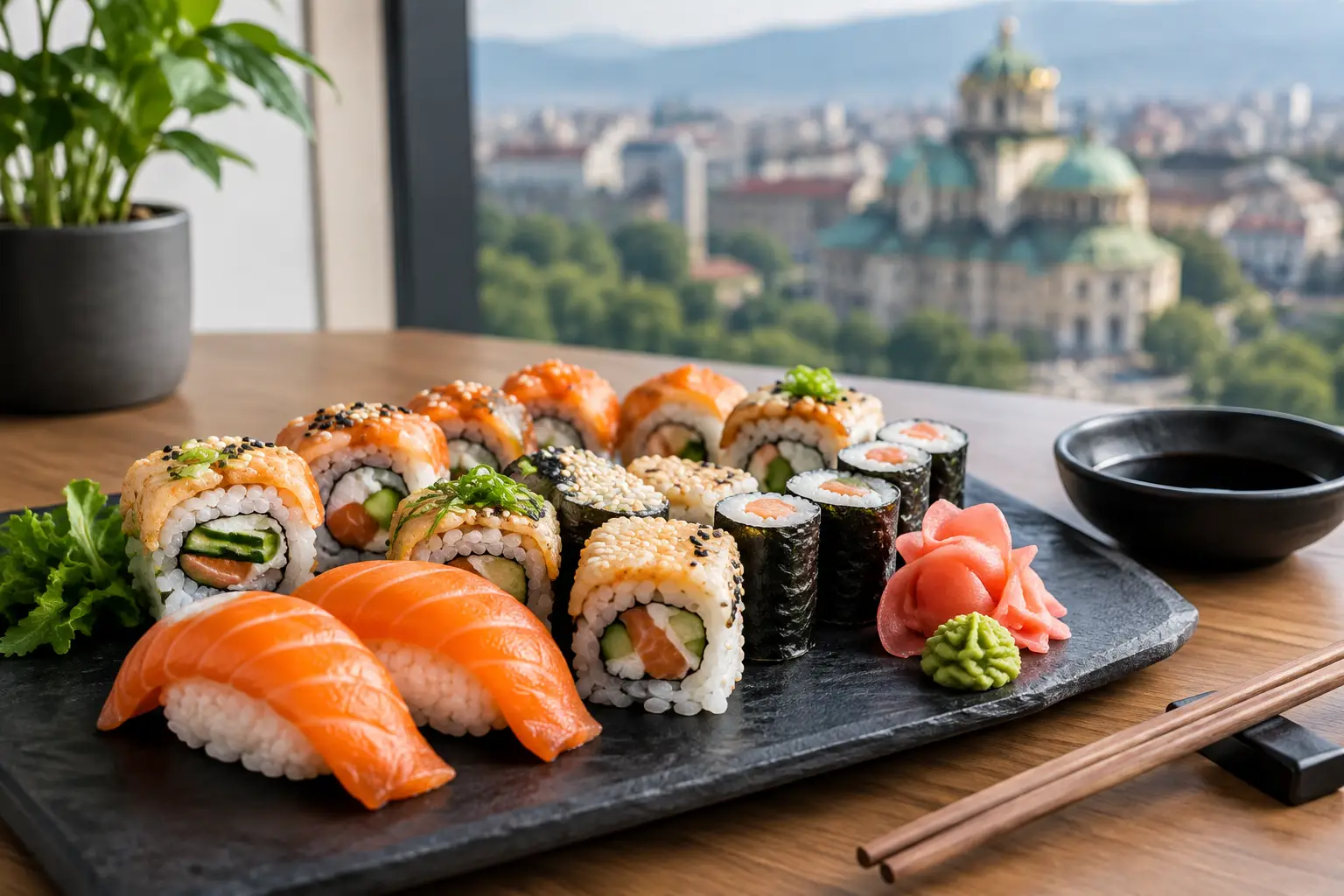
How to Choose Sushi for a Great Meal in Sofia

A sushi menu can look simple until you are sitting at the table, hungry, and deciding between nigiri, sashimi, maki, and colorful specialty rolls. Knowing how to choose sushi helps you order a meal that suits your appetite, your experience with raw fish, and the occasion – whether it is a quick lunch near NDK or a relaxed dinner in central Sofia.
The best order is rarely the most expensive or the longest list of rolls. It is the one that gives you fresh flavors, a good balance of textures, and enough variety without leaving you too full for the rest of the evening.
Start with the kind of sushi you enjoy
The first choice is not about fish. It is about style. If you are new to sushi, rolls are often the easiest place to begin. Rice, seaweed, fish or seafood, and vegetables come together in familiar, satisfying bites. Cooked ingredients, avocado, cucumber, and lightly spicy sauces can make rolls especially approachable.
Nigiri is more direct: a small portion of rice topped with fish or seafood. It is a good choice when you want to taste one ingredient clearly. Salmon, tuna, shrimp, and eel are common starting points, but the right choice depends on what is available and what you like. Nigiri is usually less filling than a large roll, so it works well alongside a few shared dishes.
Sashimi is simply sliced fish or seafood, served without rice. Choose it when you appreciate clean, delicate flavors and want the ingredient itself to be the focus. Because there is no rice or sauce to soften the experience, sashimi may feel more natural for guests who already enjoy raw fish.
There is no rule that says a table must order only one style. A small selection of nigiri, one roll, and perhaps sashimi for someone who enjoys it can create a more interesting meal than several similar rolls.
How to choose sushi by freshness and balance
Freshness is the foundation of good sushi, but guests cannot always judge it from a menu alone. Start with a restaurant that treats sushi as part of a thoughtful food offering rather than an afterthought. A menu with clear descriptions and a sensible selection is often more reassuring than one with dozens of nearly identical combinations.
When the sushi arrives, look for rice that holds together without becoming dense or dry. It should be lightly seasoned, not overly sweet or sharp with vinegar. Fish should look clean and appealing, with a natural color and a fresh aroma. Sushi should smell subtle, never strongly fishy.
Balance matters just as much. A roll with rich salmon, cream cheese, mayonnaise-based sauce, and fried toppings can be enjoyable, but it may become heavy quickly. If you choose a richer roll, balance it with simple nigiri, sashimi, or a lighter roll with cucumber, avocado, or fresh fish.
Sauces deserve a little restraint. They can add heat, sweetness, or creaminess, yet too much sauce hides the flavor of the fish and rice. Ask yourself what you want from the meal. If you are curious about the seafood itself, choose a simple preparation. If you want comfort food with a sushi-inspired format, a more elaborate roll may be exactly right.
Raw, cooked, or vegetarian?
Many people assume sushi always means raw fish. It does not. Shrimp, eel, crab-style fillings, tempura vegetables, and other cooked ingredients can make a satisfying order for guests who prefer not to eat raw seafood. If you are unsure, ask which choices are cooked and which are raw.
Vegetarian sushi can also be a full part of the meal, not only a backup choice. Avocado, cucumber, vegetables, and other plant-based fillings bring freshness and contrast to richer seafood dishes. For mixed groups, including at least one vegetarian option makes sharing easier.
If you have an allergy or dietary restriction, speak to the restaurant before ordering. Sushi can include soy, sesame, shellfish, gluten-containing sauces, and other ingredients that are not always obvious from the name of a roll.
Match your order to the occasion
For lunch, a smaller order is often enough. One or two rolls, or a roll with a few pieces of nigiri, can feel satisfying without slowing down the rest of the day. This is useful if you are exploring Sofia after a visit to the National Palace of Culture or walking along Vitosha Boulevard.
Dinner gives you more room to share and linger. Begin with a lighter selection, then add richer items if the table is still hungry. Ordering gradually is often better than placing a large order immediately, especially when everyone has different tastes.
For a date, choose variety over volume. A few carefully selected pieces encourage conversation and sharing. For a group, include a mix of familiar rolls, cooked options, vegetarian choices, and simpler fish-forward sushi. This avoids the common problem of ordering only spicy or sauce-heavy rolls that not everyone wants.
Sushi can also sit comfortably alongside other cuisines. At a restaurant with Italian and Mediterranean dishes, it can be a good option when one guest wants seafood or sushi and another prefers pasta, pizza, grilled meat, or a salad. That flexibility is especially helpful for families, business lunches, and groups with different appetites.
Understand portion sizes before you order
A sushi roll is not a standard measure of a meal. Some are light and compact, while others include fried elements, sauces, and generous fillings. Nigiri portions vary too. The best approach is to order conservatively at first and add more if needed.
As a general guide, a light meal may be one roll or several pieces of nigiri. A hungrier guest might choose a roll plus nigiri or sashimi. If you are sharing appetizers or other main dishes, sushi can be part of the table rather than the entire meal.
Rice makes sushi more filling than it appears. This is one reason a selection of different styles often feels better than two large, similar rolls. It gives you contrast while keeping the meal from becoming repetitive.
Use soy sauce, wasabi, and ginger with care
Condiments are there to support the sushi, not cover it. Soy sauce is salty, so a light dip is usually enough. With nigiri, dipping the fish side rather than the rice side helps prevent the piece from falling apart and keeps it from absorbing too much sauce.
Wasabi adds sharp heat. Start with a very small amount if you are unfamiliar with it. Pickled ginger is meant to refresh your palate between different kinds of sushi, rather than being piled onto every bite.
These details are not strict etiquette tests. Restaurants want guests to enjoy their food. Still, using condiments lightly makes it easier to notice the difference between salmon, tuna, shrimp, eel, and vegetable fillings.
Choosing sushi in central Sofia
For visitors deciding where to eat, location and atmosphere are part of the choice. A sushi meal may be a quick stop between meetings, a relaxed dinner after sightseeing, or one part of an evening with wine and conversation. Near NDK and Vitosha Boulevard, it is useful to look for a central restaurant where the menu gives everyone at the table a genuine choice.
At La Casa di Sasa, guests can choose from sushi alongside Italian and Mediterranean dishes, seafood, fish, pasta, pizza, salads, wine, and cocktails. This makes the restaurant a practical option when a group does not want to limit the meal to one cuisine, while the garden offers a relaxed setting when the weather invites a slower lunch or dinner.
A final helpful habit: order for curiosity, not pressure. Start with a sushi style that feels comfortable, add one new flavor, and leave room to enjoy the people and the city around you.

