
What to Order at a Sushi Restaurant in Sofia
21.09.2026
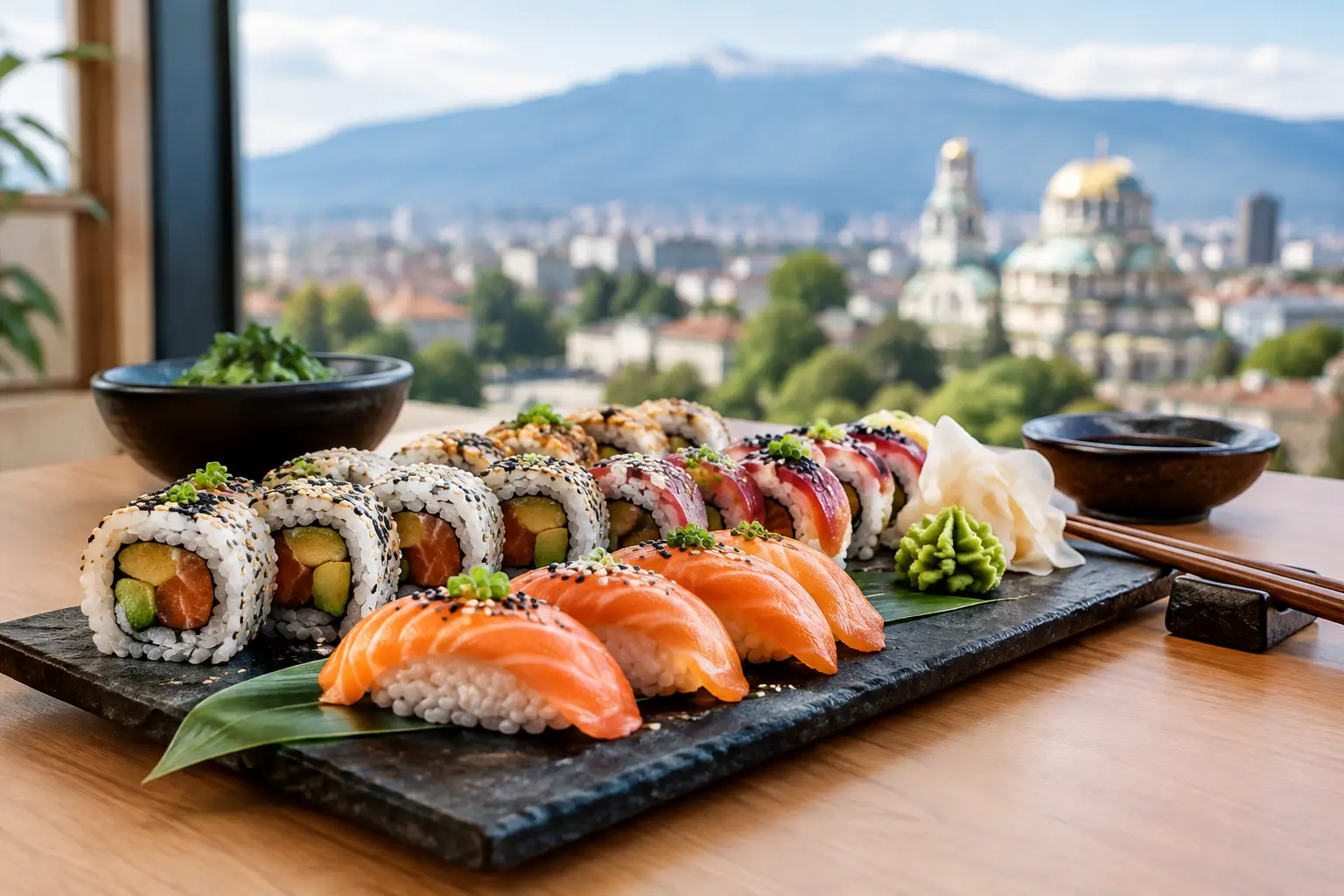
What to Order at a Sushi Restaurant in Sofia

A sushi menu can look simple until you are deciding between nigiri, sashimi, maki rolls, and a long list of unfamiliar names. If you are wondering what to order at a sushi restaurant, the easiest answer is to build a meal around freshness, variety, and your own comfort with raw fish. You do not need to know every Japanese term to enjoy a thoughtful lunch or dinner.
For visitors in central Sofia, sushi can be a welcome change of pace between sightseeing near NDK, a walk along Vitosha Boulevard, or an evening out with friends. The best order depends on whether you want a light meal, a first introduction to sushi, or a more traditional fish-focused experience. Start with a few well-chosen pieces rather than ordering too much at once.
Start by choosing your sushi style
The main decision is whether you would like fish to be the focus or prefer it combined with rice, vegetables, and sauces. Neither choice is more correct. It simply changes the experience.
Nigiri is often the best place to begin if you want to taste the fish clearly. Each piece is usually a small portion of rice topped with fish or seafood. Salmon, tuna, shrimp, and eel are familiar choices on many menus. Nigiri feels light, elegant, and satisfying when you order a small selection of different pieces. It is a good choice for guests who enjoy seafood but do not necessarily want a large, elaborate roll.
Sashimi is sliced fish or seafood served without rice. Because there is no rice or sauce to soften the flavor, it is best for diners who already enjoy raw fish and want to appreciate its texture and clean taste. Salmon and tuna sashimi are often approachable starting points. If you are unsure, ask which fish is especially good that day and choose a modest portion.
Maki rolls are the most familiar option for many first-time sushi diners. Rice and fillings are wrapped in seaweed, then cut into bite-size pieces. They can be simple, such as a cucumber or salmon roll, or more substantial, with seafood, avocado, vegetables, and sauces. Rolls are easy to share, making them especially useful for a group table where everyone has different preferences.
What to order at a sushi restaurant if it is your first time
A first sushi meal does not need to be adventurous to be enjoyable. Order one familiar roll, a few pieces of nigiri, and perhaps a simple starter. This gives you different textures without leaving you with a table full of food you did not expect.
Cooked seafood is a comfortable option if raw fish is not for you. Shrimp, eel, and certain crab-style fillings are common examples, although recipes vary by restaurant. Vegetable rolls can also be satisfying, especially those with avocado, cucumber, or other fresh ingredients. They are not merely a backup choice. A crisp vegetable roll can balance richer fish selections very well.
If you like salmon, a practical first order might include salmon nigiri and a salmon-based roll. You will taste the difference between fish served simply over rice and fish paired with other ingredients. If tuna is more your style, try a few pieces of tuna nigiri or sashimi alongside a roll with a milder filling.
Avoid ordering only heavily sauced rolls if your goal is to understand sushi. Creamy, sweet, or spicy sauces can be delicious, but they may cover the flavor of the seafood. A balance works better: one more indulgent roll, one simpler roll or nigiri selection, and a small starter if you are hungry.
Build a balanced order for lunch or dinner
Sushi is often lighter than a pasta or grilled-meat dinner, but portions can add up quickly, especially with specialty rolls. A sensible order should match the occasion.
For a light lunch, a roll plus a few pieces of nigiri may be enough. This works well before a meeting, after exploring Sofia’s city center, or when you want something fresh without a long meal. If you are having dinner, add sashimi, another roll to share, or a warm dish from the menu if available.
Couples often enjoy ordering several smaller items for the table. One person may prefer sashimi while the other enjoys rolls, and sharing lets both guests try more without committing to a large portion of a single dish. For groups, begin with a mix of familiar options, vegetarian choices, and cooked seafood before adding more distinctive selections. This keeps the meal welcoming for everyone.
At a restaurant that offers more than one cuisine, sushi can also be part of a wider meal. At La Casa di Sasa near NDK and Vitosha Boulevard, guests can choose from a dedicated sushi selection alongside Italian and Mediterranean dishes, seafood, and wine. This can be particularly helpful for mixed groups, where not everyone is looking for the same kind of dinner.
Understand raw fish, cooked fish, and dietary preferences
The question is not simply whether sushi is raw. Many sushi dishes contain cooked seafood, vegetables, or other non-raw ingredients. If you prefer cooked food, say so when ordering. A helpful server can point you toward choices that suit your taste without making the meal feel limited.
If you have allergies or dietary restrictions, ask before ordering rather than trying to interpret every ingredient from the menu. Soy, sesame, shellfish, gluten, and sauces can appear in unexpected places. Guests avoiding raw fish should also mention this clearly, since some rolls may contain a mix of cooked and raw ingredients.
Vegetarian diners can often create a complete sushi meal with vegetable rolls, avocado, cucumber, and other plant-based choices, depending on the menu. Vegans should ask about sauces and preparation, as mayonnaise-based sauces, fish roe, and certain seasonings may not be suitable. Gluten-free diners should be careful with soy sauce and marinades, which can contain wheat.
A few ordering choices that make a difference
Freshness matters more than complexity. A simple piece of nigiri or sashimi can be more memorable than a large roll with many toppings when the ingredients are handled with care. This is why it is often wise to begin with simpler items and add richer choices afterward.
Wasabi and soy sauce should support the sushi, not overwhelm it. Use a small amount of soy sauce, especially with nigiri, and try the first bite before adding extra wasabi. Some sushi is already seasoned by the chef, while some rolls are designed to be eaten as served. If you are uncertain, a small taste tells you more than a generous pour of sauce.
Pickled ginger is usually meant as a palate cleanser between different pieces, not as a topping for every bite. It is useful when moving from a rich salmon roll to a clean piece of tuna nigiri, because it resets the flavor in a gentle way.
Do not feel pressure to use chopsticks perfectly. If a piece is difficult to manage, it is better to eat it comfortably than to let it fall apart. Sushi is meant to be enjoyed at an easy pace, whether you are sitting down for a quick lunch or making an evening of it.
When to order nigiri, sashimi, or rolls
Choose nigiri when you want a small, direct taste of fish and rice. It is ideal if you value simplicity, want to try several types of seafood, or are sharing a meal with someone who prefers rolls.
Choose sashimi when you enjoy raw seafood and want the fish itself to take center stage. It is lighter in one sense because it contains no rice, though it can feel more intense in flavor. It pairs well with a crisp white wine for diners who enjoy wine with seafood, but personal preference matters more than any rule.
Choose rolls when you want a fuller, more varied bite. They are often the friendliest entry point for new sushi diners and the easiest format for sharing. A roll can include creamy avocado, refreshing cucumber, cooked seafood, or raw fish, so it offers plenty of room to find a combination you like.
The most satisfying answer to what to order at a sushi restaurant is rarely one dish. Choose one simple fish-focused item, one roll that appeals to you, and enough extra food to match your appetite. Let curiosity guide the rest. A good sushi meal should feel relaxed, fresh, and personal – much like a long dinner with good company.

