
Can Vegetarians Eat Sushi Rolls? What to Order
17.10.2026
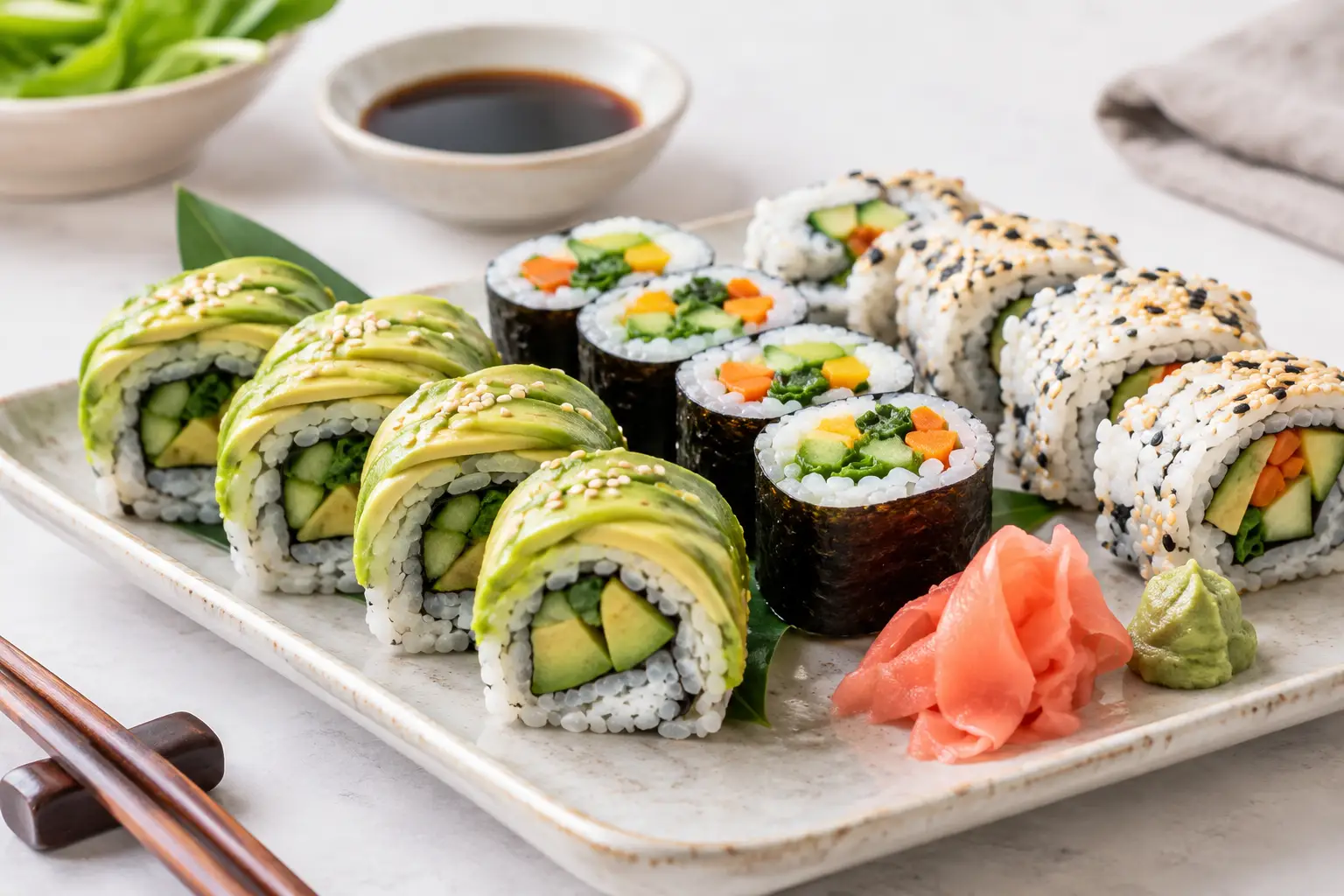
Can Vegetarians Eat Sushi Rolls? What to Order
A sushi menu can look simple until you are trying to avoid fish, meat, and less obvious animal ingredients. So, can vegetarians eat sushi rolls? Yes, often they can, but the answer depends on the roll, the sauces, and how the kitchen prepares it. A quick, clear conversation with your server makes it much easier to enjoy sushi with confidence.
For visitors eating in central Sofia, sushi can be a pleasant choice for lunch after exploring Vitosha Boulevard or for a relaxed dinner near NDK. The key is knowing what to look for beyond the word “vegetarian” on a menu.
Can Vegetarians Eat Sushi Rolls Safely?
Many sushi rolls are naturally suitable for vegetarians. Sushi rice, nori seaweed, cucumber, avocado, sesame seeds, and many vegetables are all plant-based. A simple cucumber roll, avocado roll, or vegetable maki is commonly vegetarian, provided it is not finished with fish roe, bonito flakes, or a fish-based sauce.
Still, sushi is traditionally connected with seafood, and fish can appear where guests do not expect it. Some restaurants use fish stock in sauces or soups. Others may add crab stick, mayonnaise, roe, or bonito flakes to a roll that looks vegetable-forward at first glance. “Spicy,” “special,” and “house” sauces deserve a question as well, since recipes vary.
For a vegetarian, this is not a reason to avoid sushi entirely. It is simply a reason to order thoughtfully. Most good restaurants are used to ingredient questions and can help you identify the most suitable choices.
Vegetarian Sushi Rolls That Are Usually Good Choices
The most dependable starting point is a simple roll where the filling is easy to identify. Cucumber maki, avocado maki, and oshinko rolls made with pickled daikon are often vegetarian. Vegetable rolls may include combinations such as cucumber, avocado, carrot, bell pepper, asparagus, or sweet potato.
Inari sushi can also be a good option. It consists of seasoned sushi rice in a sweet fried tofu pouch. However, seasoning recipes differ, so it is still sensible to confirm that no fish-based stock was used.
Sweet potato tempura rolls are popular with many vegetarians because they bring a warm, crisp texture to the meal. They are not always vegetarian by default, though. The batter may be vegetarian, but the fryer could be shared with shrimp or fish. Whether that matters depends on your personal approach to cross-contact.
A vegetable hand roll can be another satisfying choice, especially if you prefer a larger portion of filling. Ask what is inside and whether any sauce, topping, or garnish contains fish or meat.
Ingredients That Can Make Sushi Non-Vegetarian
The obvious ingredients are raw fish, cooked seafood, eel, shrimp, and crab. The less obvious ones are the reason a little extra care is worthwhile.
Bonito flakes are paper-thin shavings of dried fish. They are sometimes used as a topping or in seasoning. Dashi, a Japanese stock, is often made with kombu seaweed and bonito. It can be found in miso soup, sauces, cooked vegetables, and tamago, the lightly sweet Japanese omelet. Some vegetarians eat eggs, while others do not, but dashi is a separate question that can make tamago unsuitable for a stricter vegetarian diet.
Fish roe, also called tobiko or masago, may be sprinkled over rolls for color and texture. It is easy to miss, particularly on rolls with avocado or creamy sauces. Imitation crab is another common surprise. Despite the name, it usually contains fish and is not vegetarian.
Mayonnaise may be acceptable for ovo-vegetarians, but it is not vegan. Cream cheese is vegetarian for many people, though not for those avoiding dairy. These distinctions matter when one person at the table is vegetarian and another is vegan, because the safest choices are not always the same.
What to Ask Before Ordering Sushi
You do not need a long speech or detailed knowledge of Japanese cooking. A few direct questions are enough: “Which rolls are vegetarian?” “Does this sauce contain fish or fish stock?” and “Can you leave off the roe or bonito flakes?”
If you are vegan, add questions about egg, dairy, and mayonnaise. If you avoid cross-contact, ask whether vegetable tempura is fried separately from seafood. A restaurant may not be able to guarantee a separate fryer or workspace, but a clear answer allows you to choose what feels right for you.
It also helps to mention your preference before the order is sent to the kitchen rather than trying to adjust a finished roll. Simple requests are generally easiest: vegetable filling, no fish roe, no bonito flakes, and sauce on the side if its ingredients are uncertain.
Sushi Rice, Soy Sauce, and Side Dishes
Sushi rice is usually made with rice vinegar, sugar, and salt, which makes it vegetarian. Recipes can differ, but rice itself is rarely the concern. Nori seaweed, pickled ginger, and plain wasabi are generally plant-based as well.
Soy sauce is often suitable for vegetarians and vegans, but specialty sauces may include fish stock, honey, mayonnaise, or other additions. If you are ordering a roll with eel sauce, spicy sauce, or a chef’s sauce, asking is the easiest path.
Miso soup deserves special attention. Miso paste is made from fermented soybeans, but many versions of the soup use dashi. Edamame is often a straightforward vegetarian side, although seasoning can vary. A fresh salad may sound safe but can arrive with a dressing containing fish sauce or bonito-based ingredients.
A Better Sushi Meal for Mixed Groups
Sushi works especially well when a group has different appetites. One guest may order nigiri or sashimi, another may choose vegetable maki, and someone else may prefer pasta, pizza, seafood, or a Mediterranean salad. This flexibility is useful for couples, families, and business dinners where not everyone wants the same cuisine.
At La Casa di Sasa in central Sofia, the combination of Italian and Mediterranean dishes with a dedicated sushi selection can make that kind of shared meal feel easy rather than complicated. For a vegetarian guest, the practical approach remains the same: tell the staff your dietary preference, ask about the ingredients in the rolls and sauces you are considering, and choose based on the answer.
This is particularly helpful when traveling. Menus may use different names for familiar dishes, and ingredients can change by season or kitchen. Asking is not inconvenient. It is part of enjoying a meal that suits you.
Vegetarian vs. Vegan Sushi: The Important Difference
Vegetarian sushi may contain egg, dairy, or mayonnaise, depending on the diner’s preferences. Vegan sushi cannot contain any animal-derived ingredient, including fish stock, roe, egg, dairy, or honey.
A vegetarian avocado roll may become vegan simply by avoiding mayonnaise-based sauce. A sweet potato tempura roll might be vegan in its ingredients but not meet a vegan guest’s needs if it shares a fryer with seafood. There is no universal rule, which is why a restaurant’s staff is the best source for the dish in front of you.
For both vegetarians and vegans, plain vegetable rolls are often the clearest choice. They let the flavors of seasoned rice, crisp vegetables, creamy avocado, and nori come through without relying on uncertain toppings.
Frequently Asked Questions
Is California roll vegetarian?
Usually no. California rolls commonly contain imitation crab, which is generally made with fish. Some versions also include mayonnaise and fish roe.
Is tempura sushi vegetarian?
Only if the tempura ingredient is vegetable-based and the preparation meets your preferences. Ask whether it contains seafood and whether it is fried in shared oil.
Can vegetarians eat wasabi and pickled ginger?
Usually, yes. Both are generally vegetarian, but prepared products can vary, so ask if you have a strict dietary requirement.
A good vegetarian sushi order does not need to feel like a compromise. Choose clear vegetable ingredients, ask about the details that are harder to see, and leave room at the table for the pleasure of a relaxed meal.