
Is Raw Fish Safe? A Smart Guide to Sushi
06.10.2026
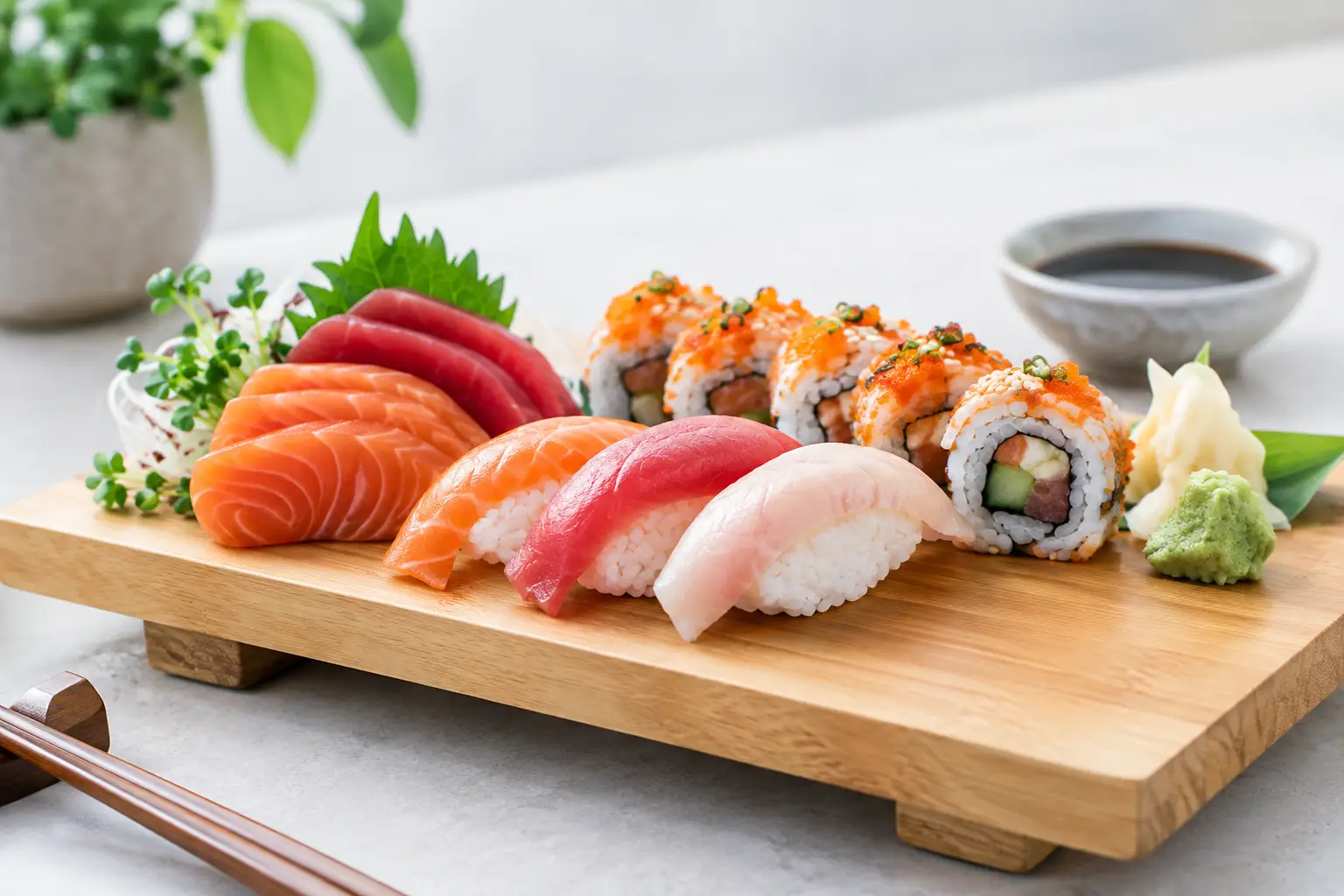
Is Raw Fish Safe? A Smart Guide to Sushi
A plate of sashimi can be one of the simplest pleasures of a meal: clean flavors, careful knife work, and fish that needs very little added to it. But when travelers see raw fish on a menu, a sensible question often comes first: is raw fish safe?
For most healthy adults, raw fish from a reputable restaurant can be enjoyed with a low level of risk when it has been sourced, frozen, stored, and handled correctly. It is not risk-free, however. The answer depends on the fish, the kitchen practices behind it, and the person eating it.
Is Raw Fish Safe to Eat?
Raw fish can contain parasites, bacteria, or viruses. Careful food safety practices reduce those risks, but they cannot make any raw animal product completely risk-free. This is why choosing where you eat matters as much as choosing what you order.
In sushi and sashimi, fish intended to be served raw is generally frozen under controlled conditions to kill parasites. Freezing is an especially important step for many species of fish. It does not kill every possible bacterium, nor does it correct fish that was poorly handled before freezing. Good sourcing and continuous cold storage remain essential.
Some fish naturally carry a lower parasite risk than others, but that does not mean they should be treated casually. Tuna, for example, is often associated with a lower parasite risk than certain wild fish, while salmon requires particular attention to proper freezing and handling. The safest choice is not simply a species name on a menu. It is fish prepared by a kitchen that treats raw seafood with care from delivery to plate.
What Makes Raw Fish Safer at a Restaurant?
Freshness matters, but “fresh” is not the whole story. Fish can look appealing and still be unsafe if temperatures have not been properly controlled. A responsible restaurant works with reliable suppliers, keeps seafood cold, prevents cross-contamination, and prepares raw fish with clean tools and disciplined handling.
For diners, a few practical signs can help. A restaurant that takes its food seriously usually has a clean, well-organized dining space and staff who can speak clearly about the dishes. The raw fish should look moist and clean, not dull, dried out, or sitting in liquid. It should smell mild and fresh rather than strongly fishy, sour, or ammonia-like.
These clues are useful, but they are not a home laboratory. You cannot see every food safety step from the table. That is why reputation, consistency, and a menu designed around proper service are more meaningful than trying to judge safety from appearance alone.
The phrase “sushi-grade” can also be confusing. It sounds like an official safety certification, but it is not a universal legal standard. Restaurants and suppliers may use it differently. Instead of relying only on that label, consider the overall approach: reputable sourcing, appropriate freezing where needed, cold storage, and experienced preparation.
The Difference Between Sushi, Sashimi, and Other Raw Seafood
Sushi does not always mean raw fish. The word refers to seasoned rice, and sushi can include cooked seafood, vegetables, egg, or other ingredients. A cooked shrimp nigiri or a vegetable roll may be a comfortable choice for someone who does not want raw seafood.
Sashimi is thinly sliced raw fish or seafood served without the rice. Because it is served in such a direct form, quality and handling are central to the experience. Raw oysters, ceviche, carpaccio, and tartare also deserve the same thoughtful approach, although their risks and preparation methods differ.
Ceviche is a good example of a common misunderstanding. Citrus juice changes the texture of fish, but it does not reliably kill parasites or all harmful germs in the way heat can. If you choose ceviche, treat it as raw seafood, not as cooked fish.
Rice also deserves attention in sushi. Properly seasoned sushi rice is held at a controlled acidity and temperature to limit bacterial growth. A good sushi experience is not only about the fish. It is the result of careful work across every ingredient.
Who Should Avoid Raw or Undercooked Fish?
Some people face a higher risk of serious illness from foodborne bacteria or parasites. Pregnant people, young children, adults over 65, and people with weakened immune systems are generally advised to avoid raw or undercooked seafood. This can include sashimi, raw oysters, ceviche, and rare fish dishes.
People with liver disease, diabetes, certain stomach conditions, or a history of severe foodborne illness may also want to speak with a medical professional about their individual risk. Travelers who are already unwell, dehydrated, or recovering from illness may prefer cooked choices until they feel better.
An allergy is a separate issue. Freezing, marinating, and careful preparation do not remove fish or shellfish allergens. If you have an allergy, tell the restaurant clearly and ask about ingredients and possible cross-contact before ordering. For severe allergies, the safest decision may depend on the kitchen’s ability to accommodate your needs.
None of this means a great seafood meal is off the table. Cooked fish, grilled seafood, shrimp, pasta with seafood, and vegetable-focused dishes can offer plenty of flavor without the added considerations of raw fish.
How to Order Raw Fish With More Confidence
Start with a restaurant that has a clear, established approach to seafood and sushi rather than choosing raw fish as an afterthought. Order during normal service, when the kitchen is fully operating and dishes are being prepared regularly. If something appears or smells unusual, trust your instincts and ask for another option.
Avoid leaving sushi or sashimi at room temperature for a long time. Enjoy it soon after it arrives, especially on a warm day or during a long outdoor meal. If you plan to take leftovers with you, raw fish is not the best dish to keep for later. Cold storage needs to be prompt and reliable, and even then, quality declines quickly.
When traveling, it is reasonable to be selective without being anxious. Sofia has a varied dining scene, and visitors near NDK or Vitosha Boulevard can find both Mediterranean cooking and sushi options. At La Casa di Sasa, guests can choose from Italian and Mediterranean dishes alongside a dedicated sushi selection, which is useful when one person at the table wants sashimi while another prefers pasta, pizza, or grilled seafood.
A Note on Mercury and How Often You Eat Fish
Food safety is not only about immediate illness. Some larger predatory fish can contain higher levels of mercury, which matters most for people who eat certain fish frequently and for those who are pregnant or planning pregnancy. Tuna is a familiar example, although mercury levels vary by species and serving frequency.
This is not a reason to avoid seafood altogether. Fish can be a nutritious part of a balanced diet. The practical approach is variety: rotate the types of seafood you choose rather than relying heavily on one species week after week. If you have specific health concerns, follow advice from your doctor or a qualified dietitian.
Enjoy the Experience, Not Just the Answer
Raw fish is safest when it is treated with respect: responsibly sourced, properly frozen when required, kept cold, and prepared by people who understand the details. For a healthy adult at a reputable restaurant, sushi and sashimi can be a wonderful part of dinner. If you are in a higher-risk group or simply do not feel fully comfortable, choosing cooked seafood is not a compromise in pleasure. A relaxed meal is always better when you can enjoy every bite with confidence.